


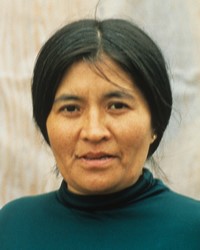

The Eastern Inland Cree are part of the wider Cree family, one of the most widely distributed Indigenous peoples in Canada. They are associated with inland regions of northern Quebec and Ontario, closely related to other Eastern Cree communities whose homelands extend across the James Bay region. Their ancestors lived for many generations in the boreal forests and river systems of the Subarctic, relying on seasonal movement tied to hunting, fishing, and gathering.
Throughout their history, Eastern Inland Cree communities have interacted with neighboring Indigenous peoples and, later, with European traders who established posts across the Hudson Bay region. These long?standing relationships contributed to patterns of trade, travel, and cultural continuity that remain important today.
Life for the Eastern Inland Cree reflects a deep and ongoing connection to the land. Traditionally, families relied on hunting, fishing, and trapping, guided by intimate knowledge of forests, wetlands, and waterways. Seasonal rhythms shaped daily life as communities moved to access different resources throughout the year. Extended family relationships remain central, offering support and continuity across generations.
Today, many Eastern Inland Cree communities continue to balance traditional land?based activities with participation in modern education, employment, and local governance. Cultural practices such as storytelling, preservation of Cree language, and participation in community gatherings help maintain their identity and strengthen ties among families.
Historically, the Eastern Inland Cree held spiritual beliefs that acknowledged the Creator and recognized spiritual forces connected to the natural world. Such traditions varied between families and communities and are best described carefully and generally. Older practices related to hunting, respect for animals, and awareness of unseen forces formed part of this worldview.
Christianity has been present among Cree communities for generations, and many Eastern Inland Cree individuals now identify with various Christian traditions. Expressions of faith differ from person to person, but for believers, the gospel message of hope, forgiveness, and new life through Jesus Christ remains at the center of Christian practice.
The Eastern Inland Cree, like many northern Indigenous communities, may encounter practical needs such as reliable access to health care, opportunities for education, and sustainable economic development. Continued support for cultural preservation, including language and oral history, is also important.
Spiritually, there is a need for strong biblical teaching, opportunities for discipleship, and encouragement for local believers. Churches and ministry leaders benefit from prayer, resources, and partnerships that help strengthen families and equip Christ?followers for service within their communities.
Pray for a growing desire among the Eastern Inland Cree to engage deeply with Scripture and to build their lives upon God's Word.
Pray for families to be strengthened through Christ and for relationships within homes and communities to reflect His love.
Pray for church leaders and elders to be encouraged, equipped, and guided by the Holy Spirit as they serve.
Pray for young people to find hope, purpose, and identity in Jesus.
Pray that the light of Christ will shine through daily interactions, opening doors for gospel witness within and beyond their communities.
Scripture Prayers for the Cree, Eastern Inland in Canada.
| Profile Source: Joshua Project |


